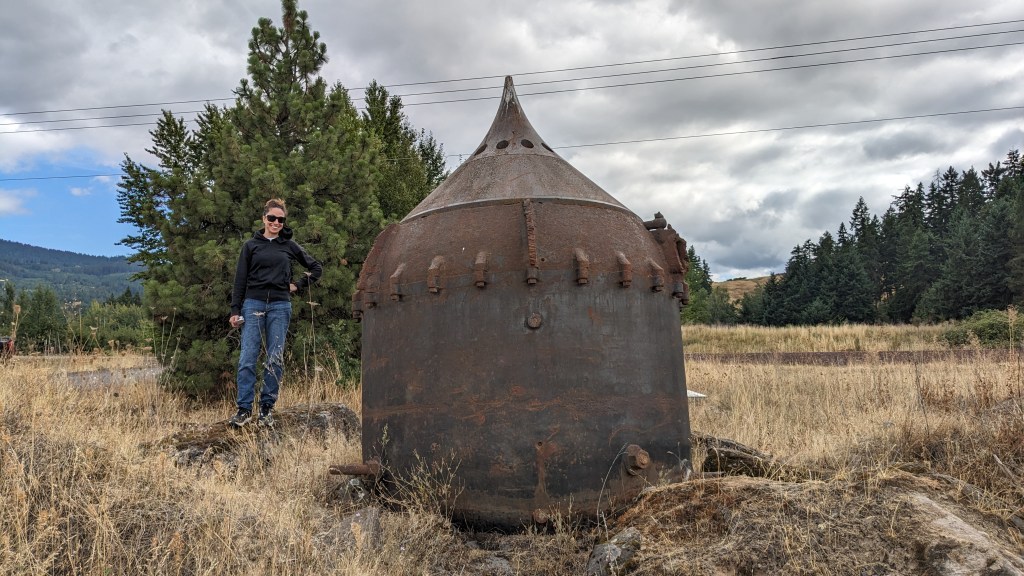
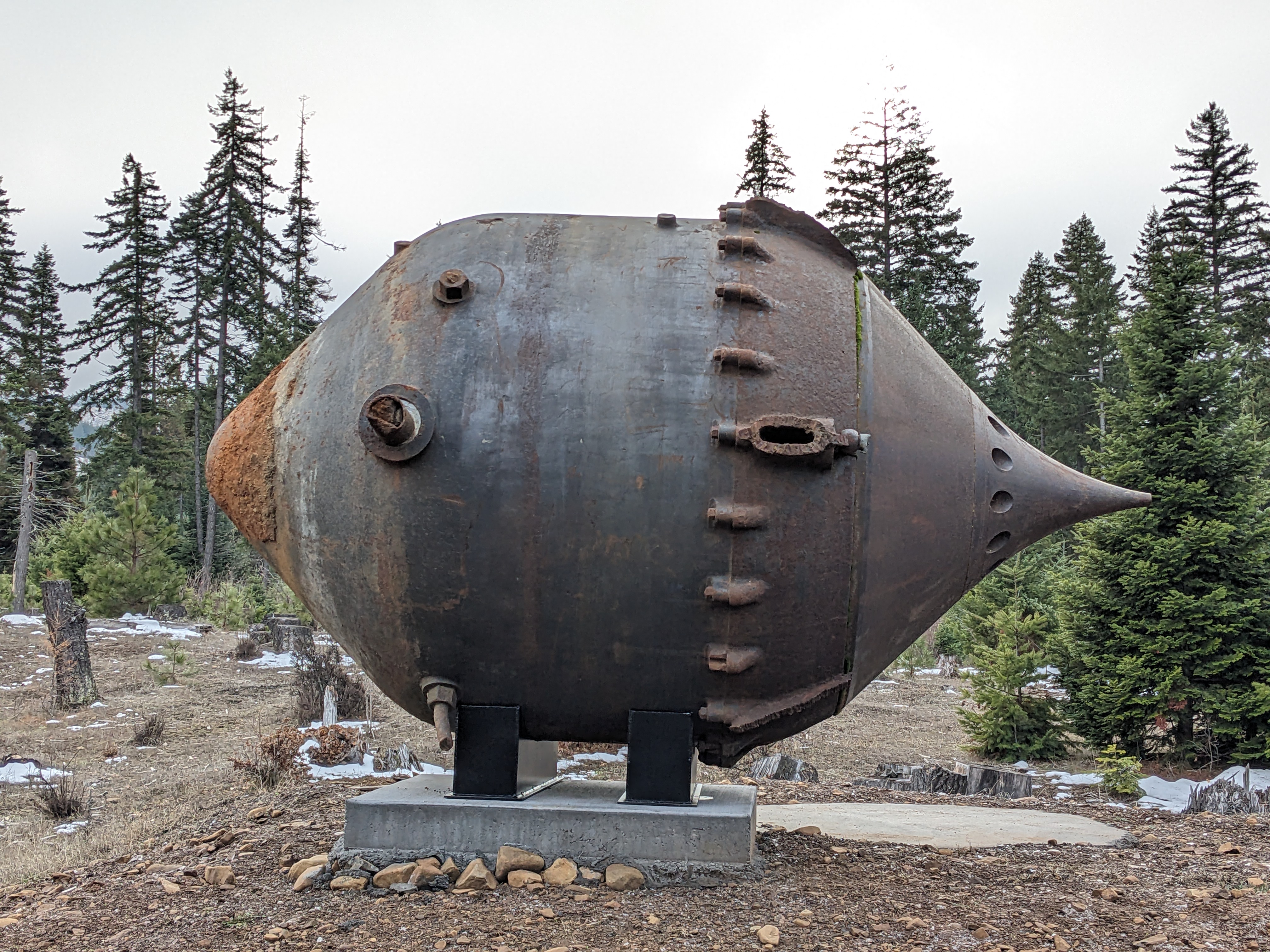
“What is that? A Hershey Kiss sculpture? A storage tank? A kiln?” Sam and I pondered over this sight for several years, unable to guess what the steel object actually was.
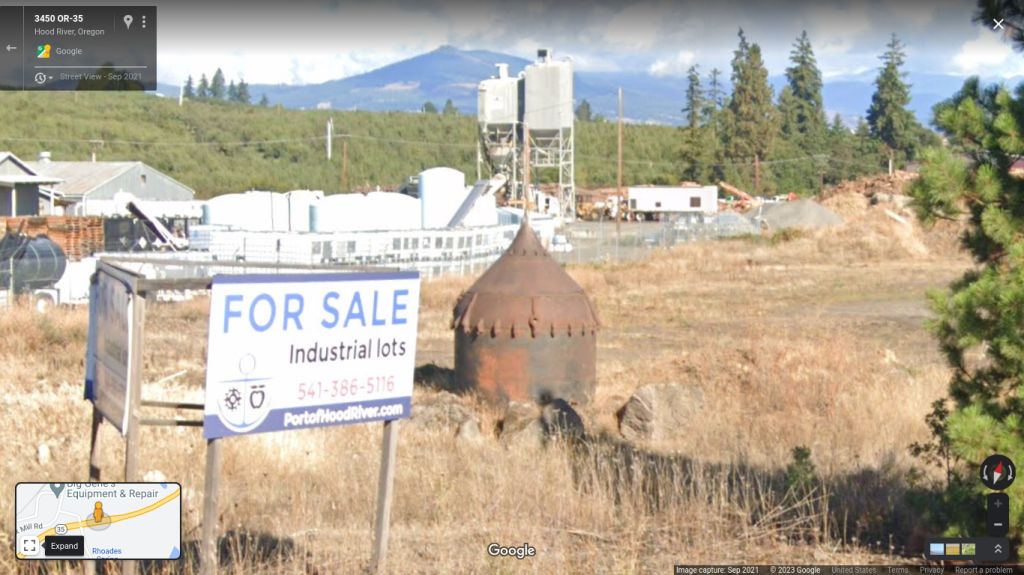
Pictured above is the google “street view” image- the same image we saw from Hwy 35 every time we went cross country skiing or apple picking. The thing was on property owned by the Port of Hood River. Sam was always driving and asked me to email the port about it. Eventually, I emailed the port. They thought it was part of a turbine with the blades cut off from a hydroelectric dam. (We later found that was incorrect.) They also mentioned that people occasionally ask about it and it is not for sale.
More than a year later, out of the blue, I received an email from the port:
“Are you interested in purchasing this from the port?” Attached image:
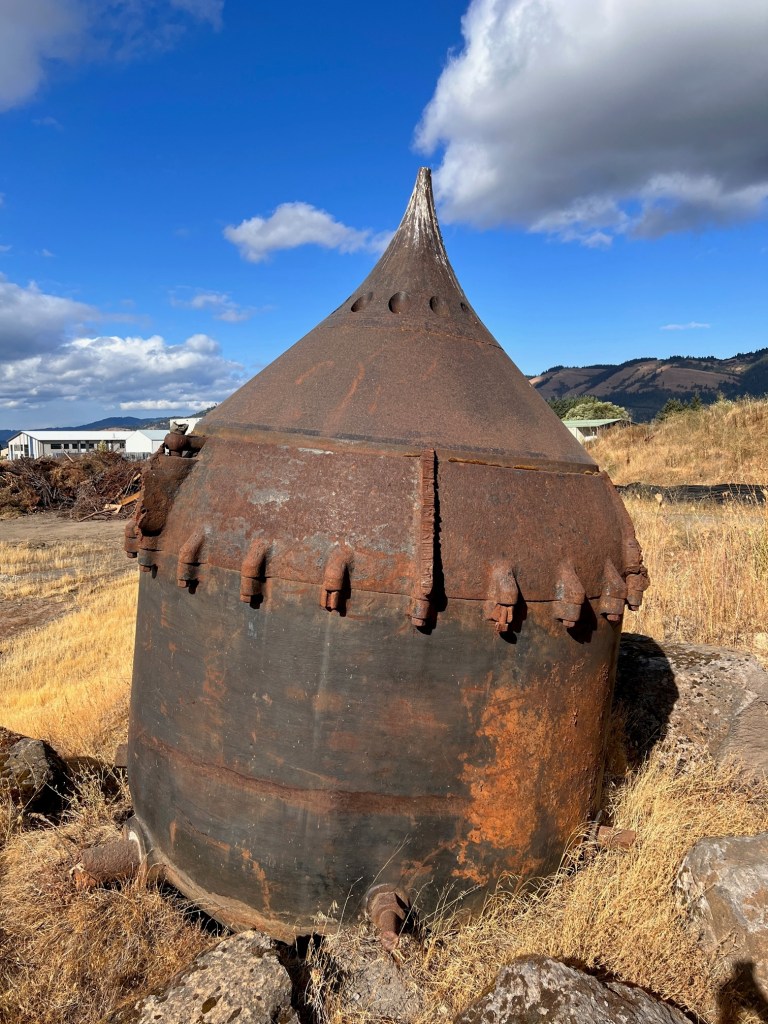
This was September 2023. The port was developing the property and needed to remove the giant steel object. They asked us to place a bid and happily accepted our $500 offer! They were suddenly desperate to get rid of it and thought it would cost them upward of $10,000 to dispose of it.
As the new owners of the object, Sam and I really wanted to learn more about it. Several people from the port had different thoughts on its purpose and origin, yet no one was confident. There was some sort of agreement that it came from the Hood River Powerdale Dam.
Eventually, the Deputy Executive Director of the port chimed in on the email chain. She heard that it was called a “spindle” and that it opened and closed the water gate at the dam. After more research, Sam and I concluded this was accurate.
In the hydroelectric world, the “spindle” is called a needle valve (most modern ones are called fixed cone valves). The valve sits in the powerhouse in a horizontal position, in-line with the pipe.
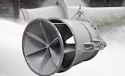

The needle or cone is stationary, and a sleeve translates back and forth over the needle to control the flow of water around it. I couldn’t find any photos or information on our particular relic, but here is a random video on fixed cone valves. https://www.youtube.com/watch?v=QnhOy4YWjsQ
The Hood River Powerdale Dam was constructed in 1923. (I think our needle valve is over 100 years old!) The dam operated until 2006 when a flood destroyed a section of the penstock. In 2010, the dam was decommissioned.

When the dam was decommissioned, someone hauled the needle valve several miles away to the old Hanel mill site (to keep as an icon?). Years later, the port purchased the Hanel property and had no means of moving the object. So, it sat there…
The port estimated that it weighed around 3000 lbs, so we called our friend Chris to pick it up with his crane.

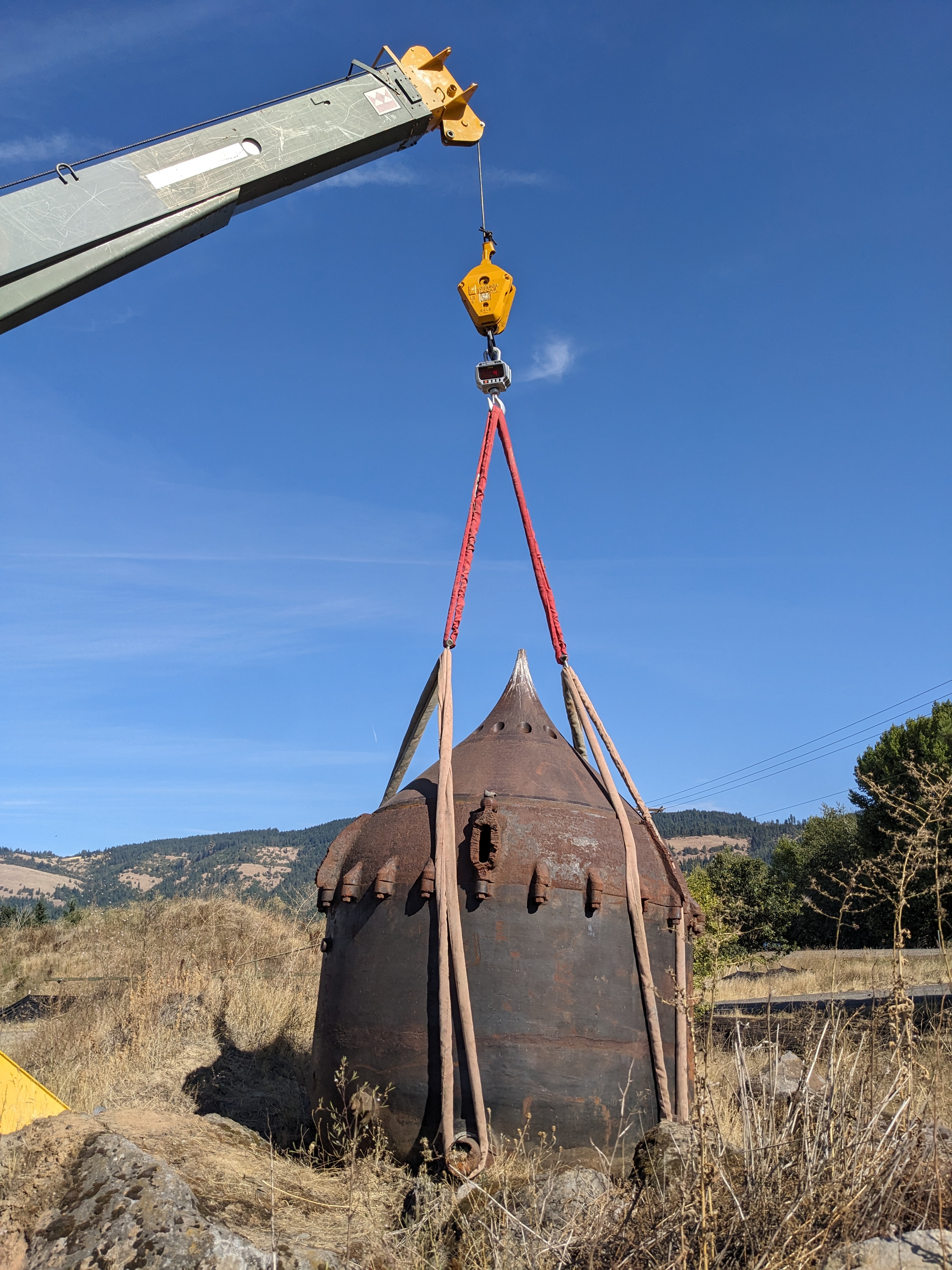
Ha! It weighed closer to 30,000 lbs! About 28,000 according to the scale. Chris couldn’t lift it. Luckily he had just purchased a larger crane. Unfortunately it was inoperable…
Sam helped fix some parts on the crane in exchange for Chris’s service. Once the crane was running, Chris lifted the needle valve! It traveled a short distance to the truck driver’s property. At this point, everyone involved was too busy to transport the object to our property. At least the port was happy it was gone.
Winter came and left. So did Spring. And Summer.
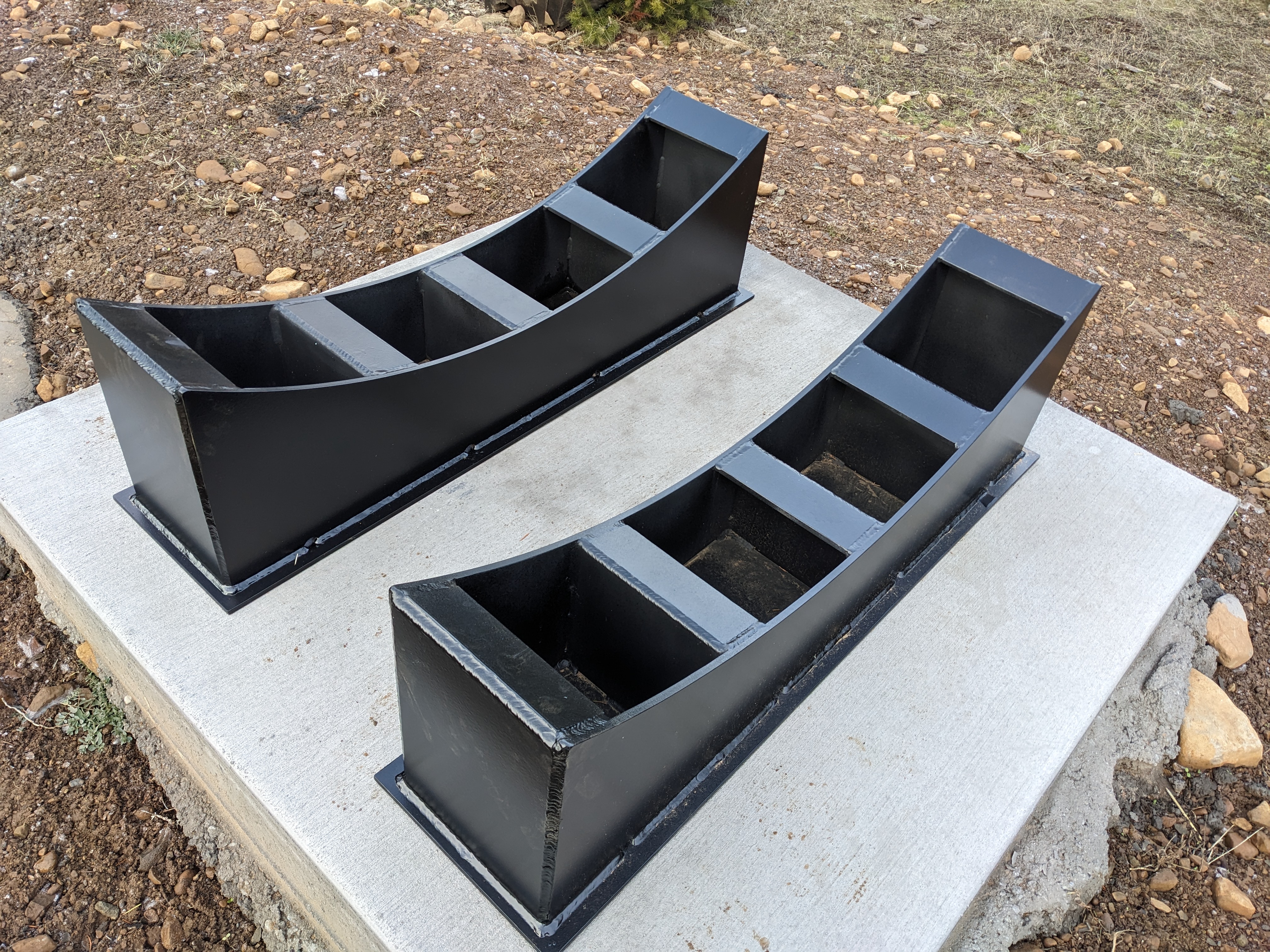
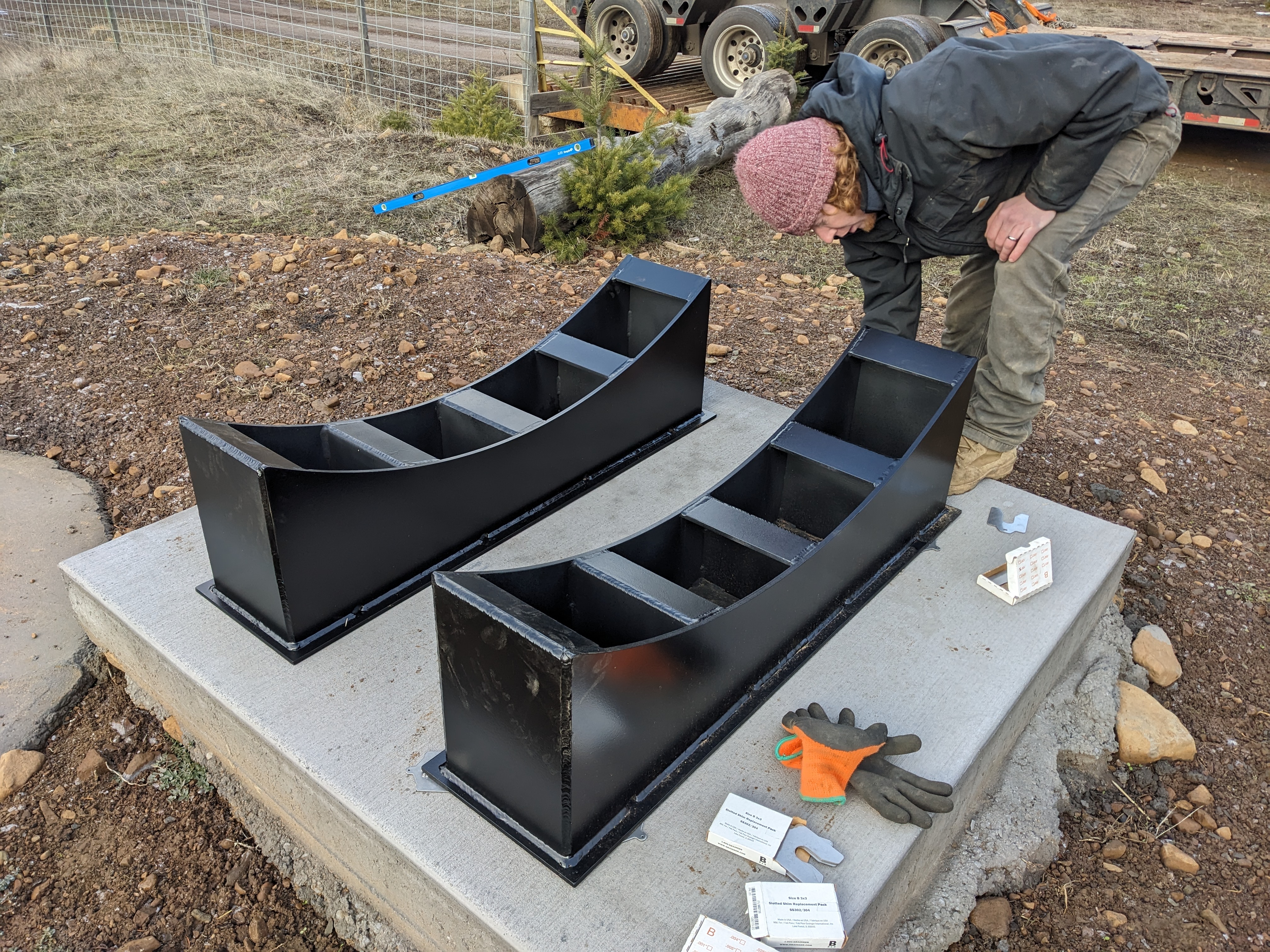
This gave Sam and I plenty of time to figure out what to do with the thing. We decided to display the valve in its horizontal position, resting on cradles. Sam made two cradles out of steel and painted them black.


We had our concrete guy pour a little platform for our display piece when he was working on our patio.
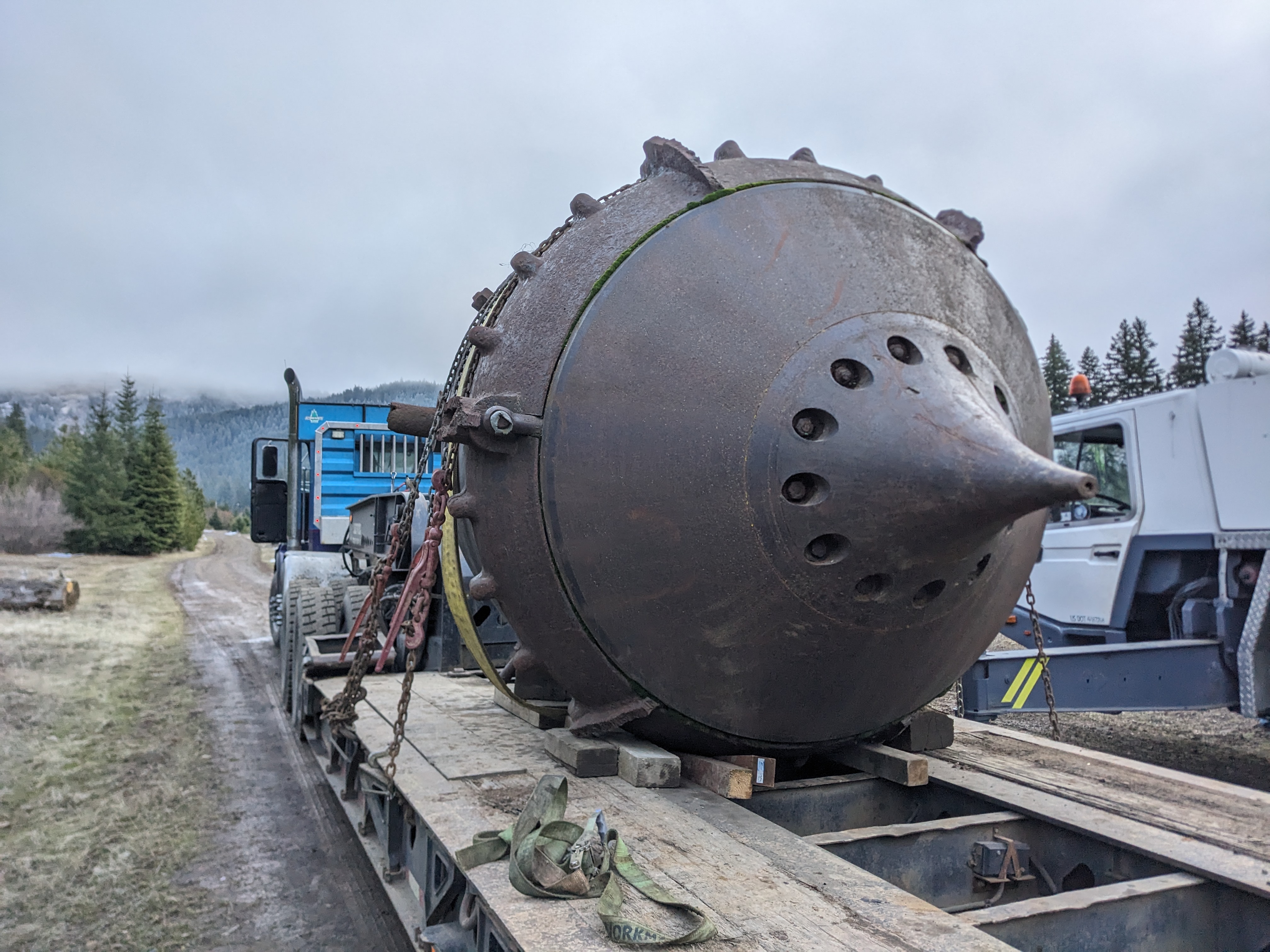
Fast forward to November 2024… Everyone was ready for transport! The crane is so heavy that it has to travel in an empty configuration without its own weights! So, the needle valve and the crane weights travelled separately on a truck.
Sam and I waited by the road to see the convoy. What a sight! Hopefully other drivers were able to keep their eyes on the road.



First Chris set up his outriggers and put all of his weights back on the crane.
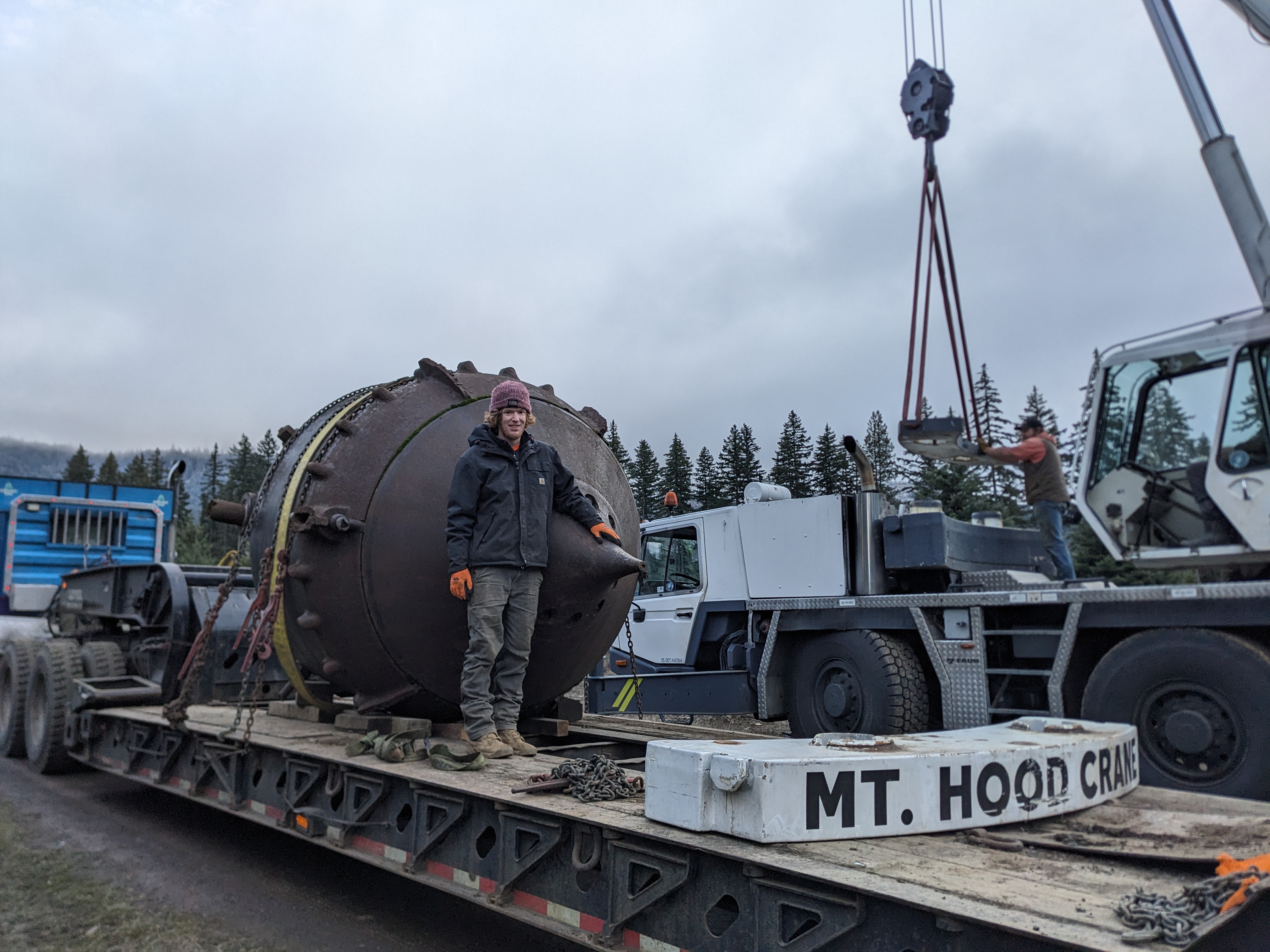

Sam slipped some shims under the cradles while Chris rigged the giant.
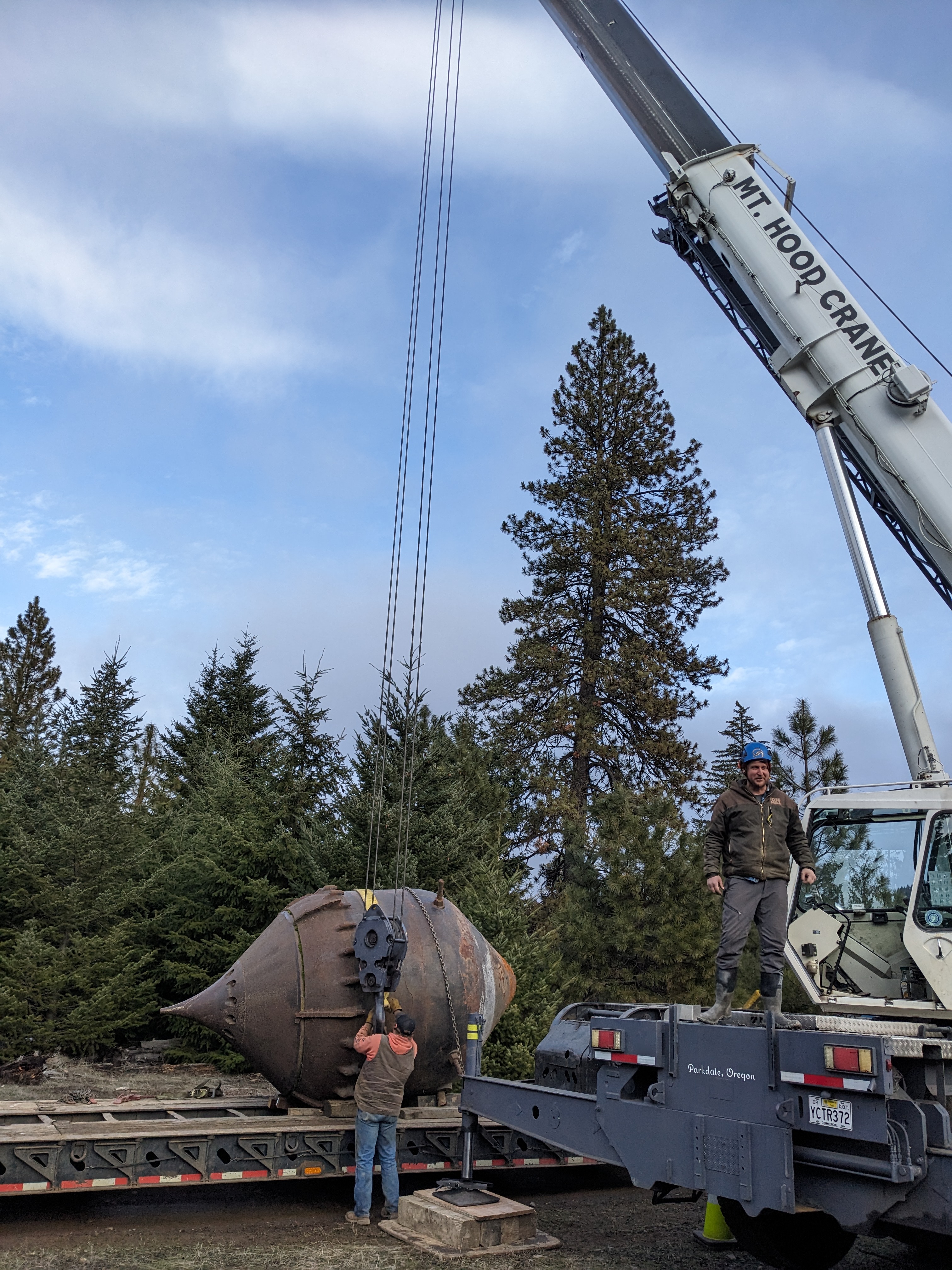
Time for lift off!

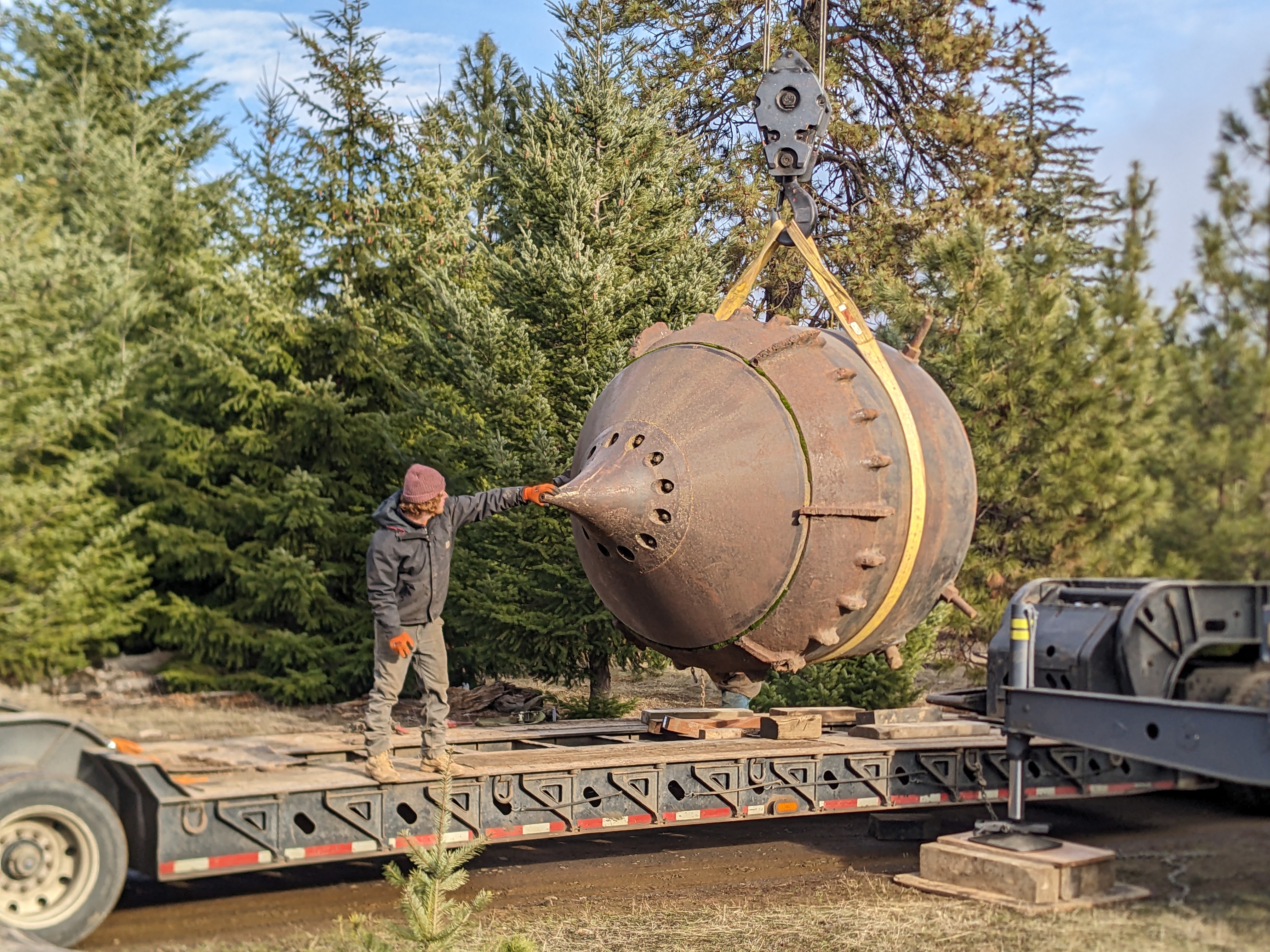


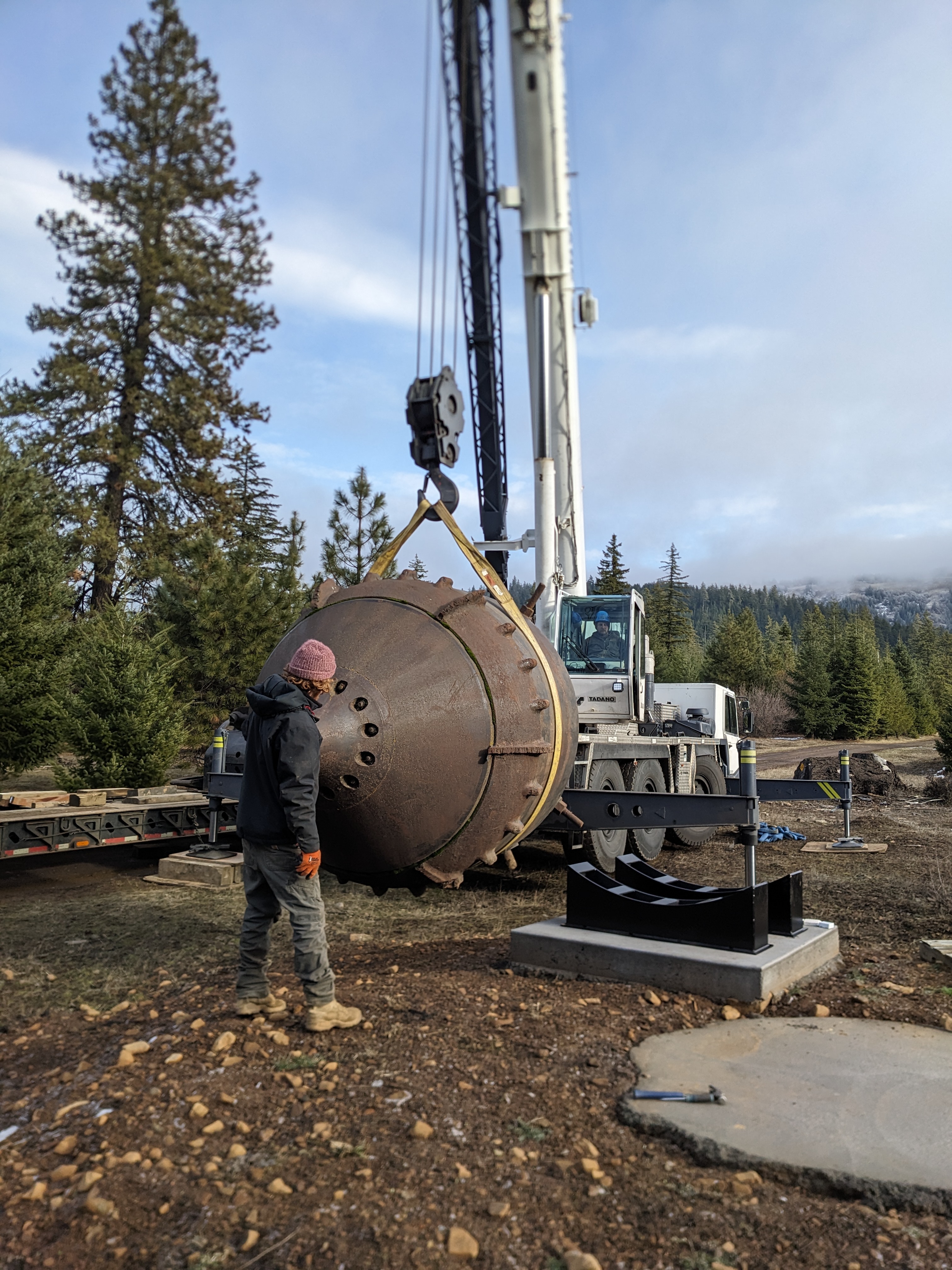
Placing the needle valve on its cradles took no time. The lift went well.

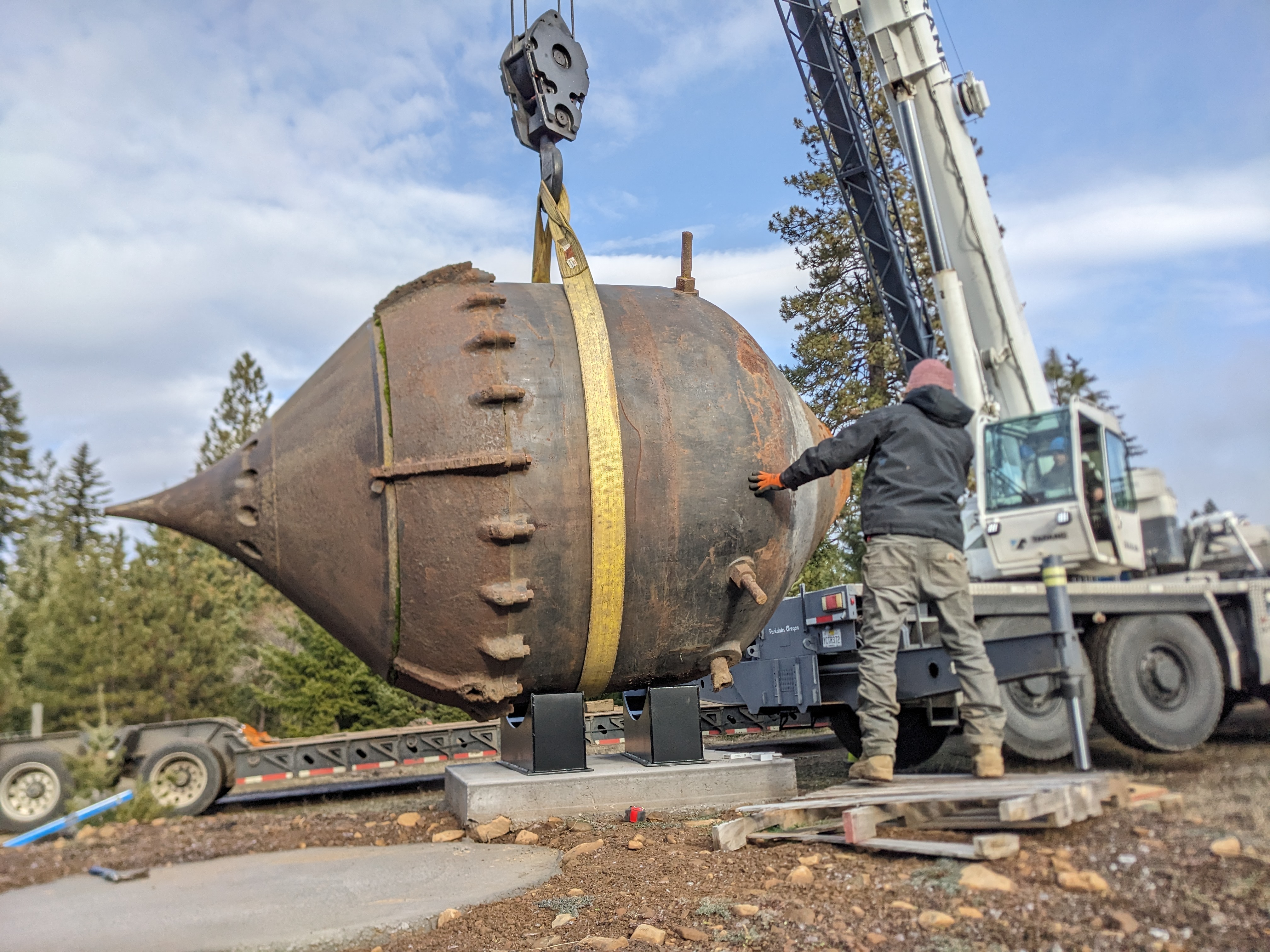
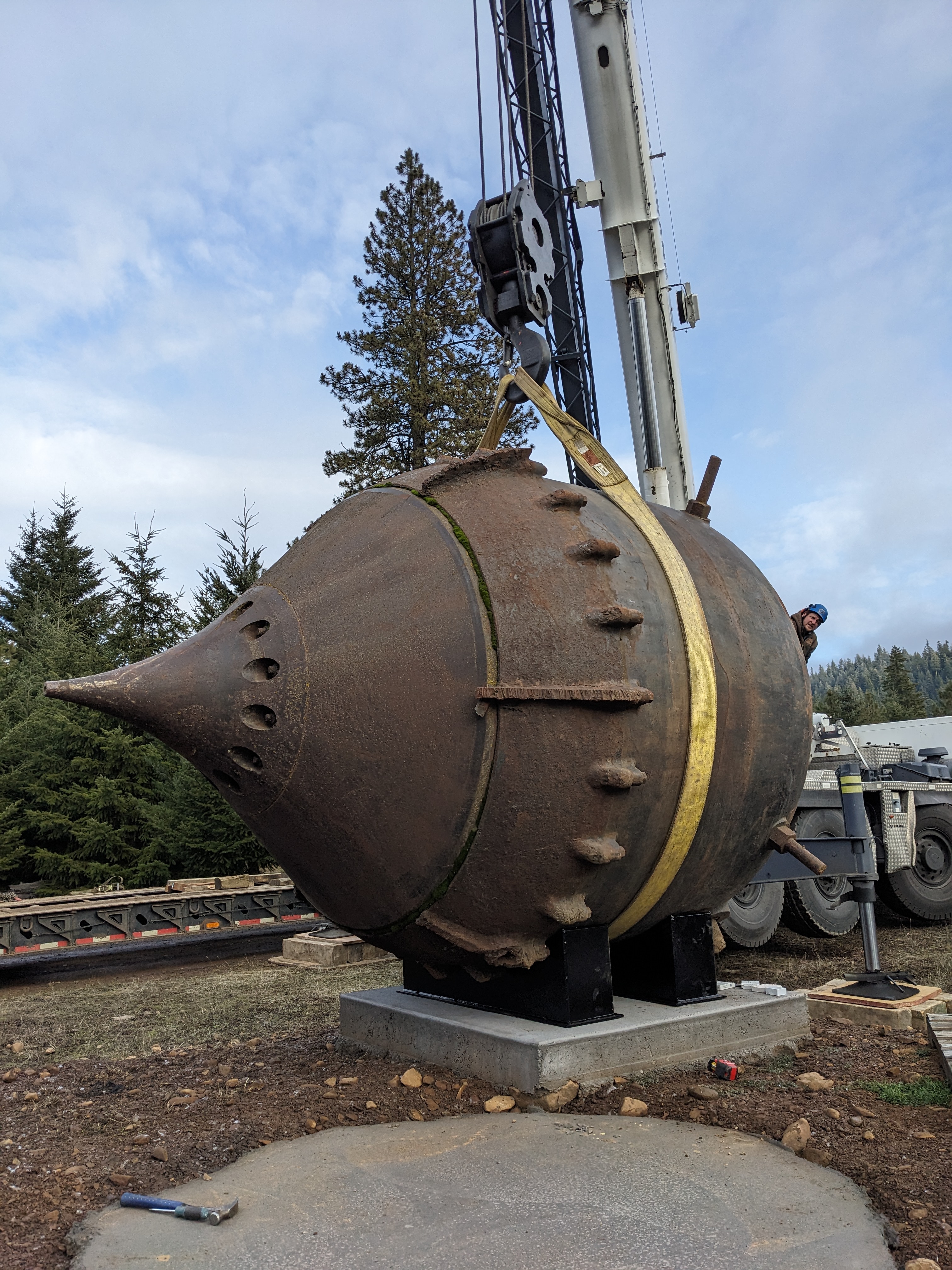


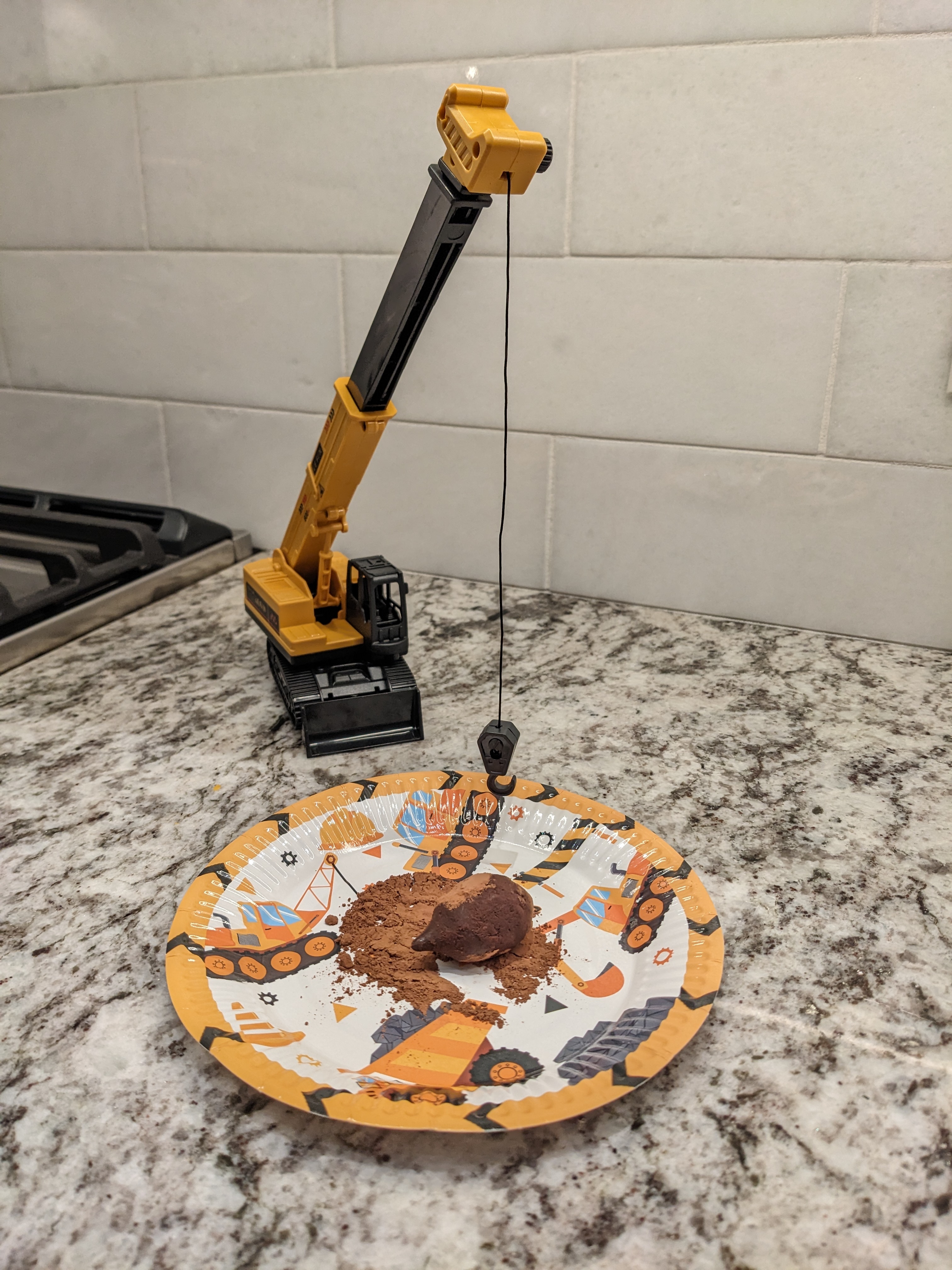
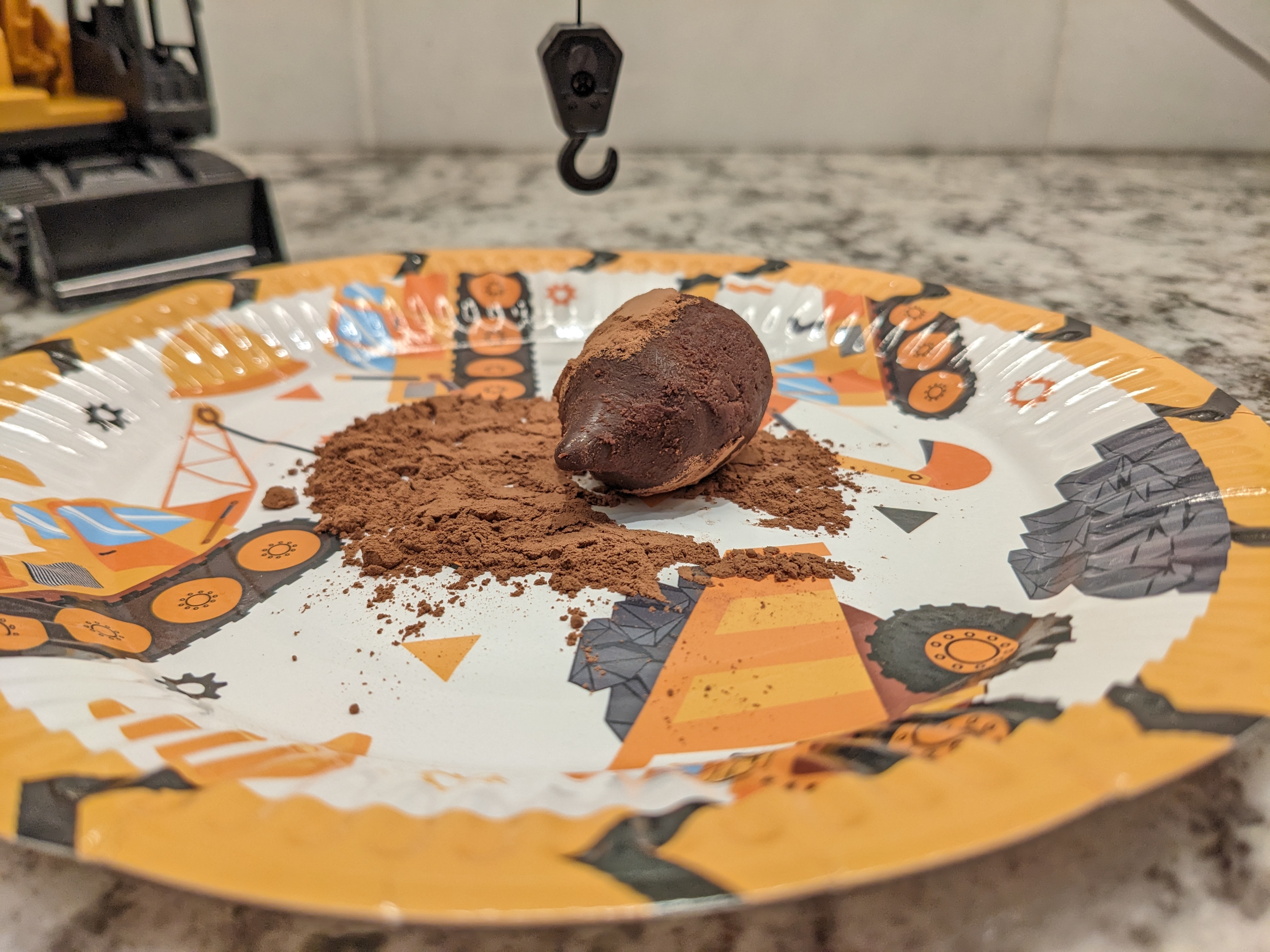
I made some celebratory chocolate truffles to conclude the two year saga of the mysterious steel object, now known as “the needle valve”.
If you’re in Hood River, you can walk along the Penstock Flume Pipeline Trail. The trail starts at the old powerhouse.
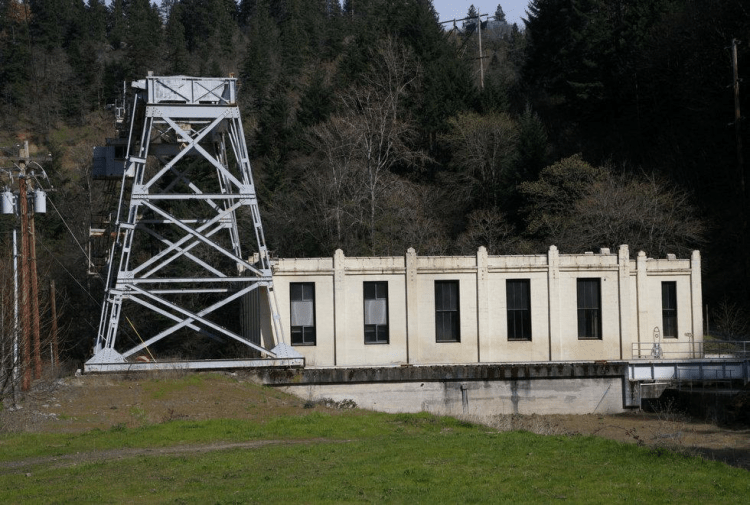
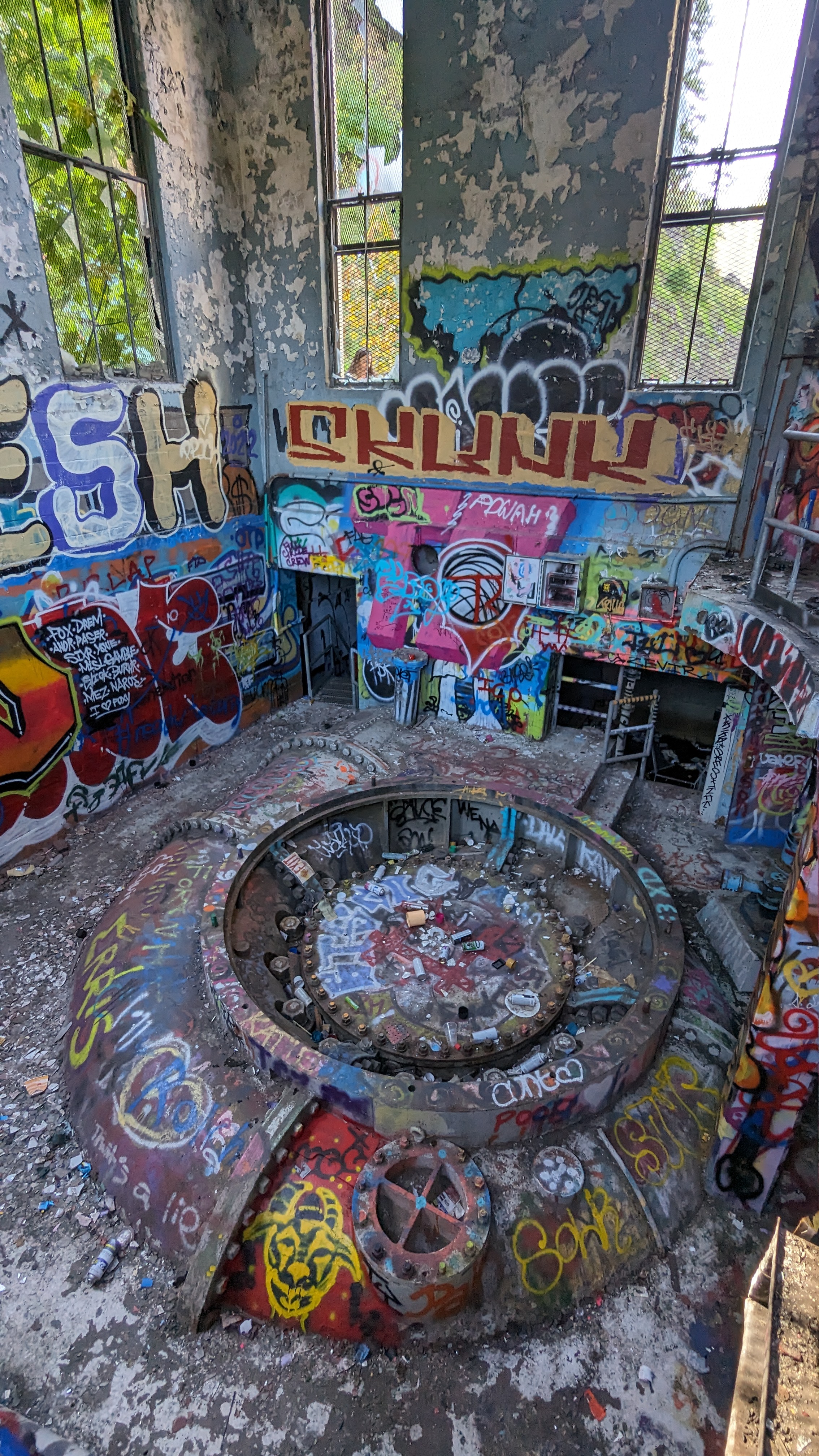
You can even go inside if you’re brave. Sam explored the building to see if he could place the needle valve. It might have been on the other side of the wall in the left picture below, but sections of the powerhouse had been filled with concrete. I was too afraid of finding other needles, so I waited outside.

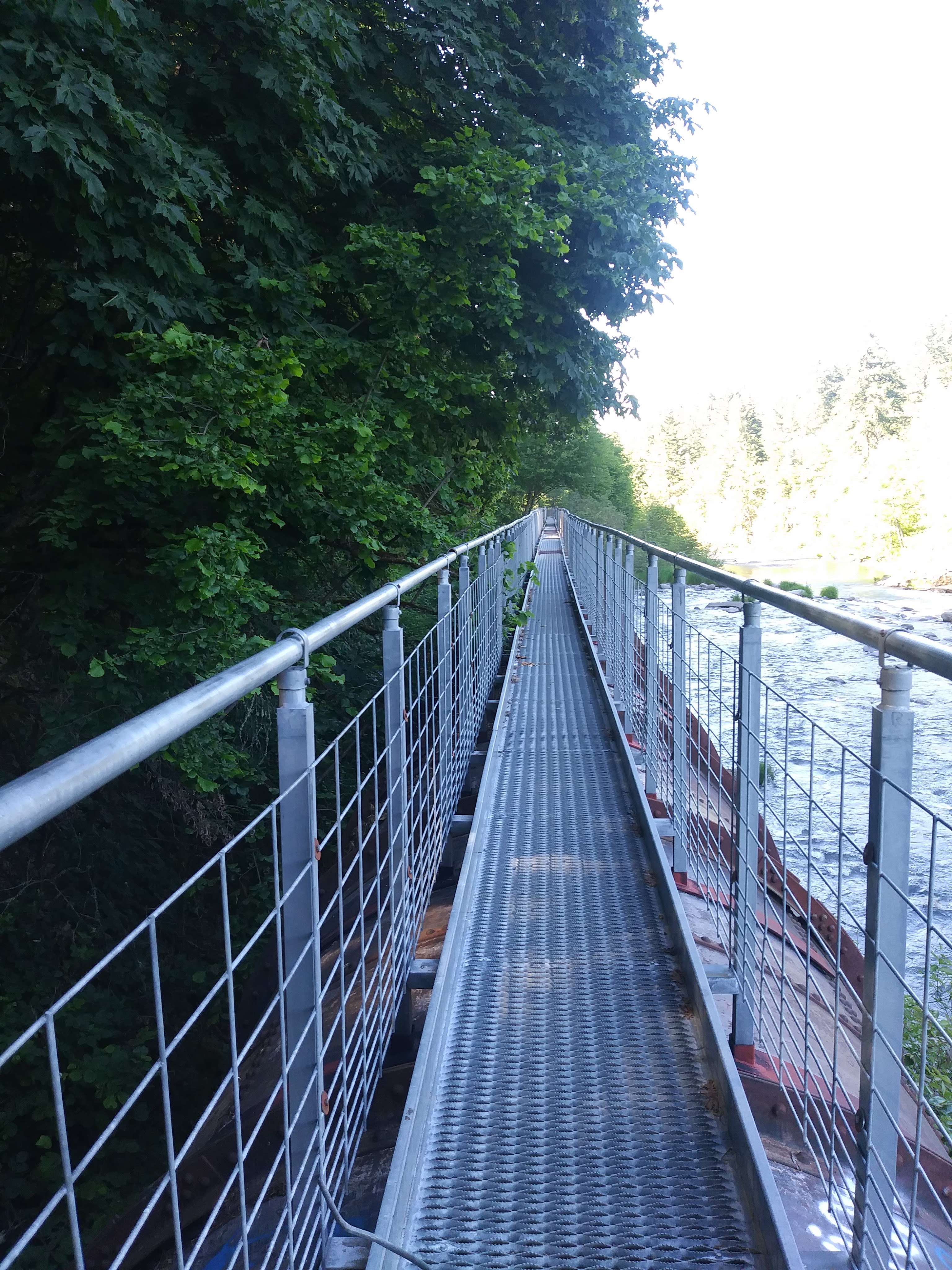
The trail itself is very nice and travels up the river. Parts of the trail were built on top of the 10 ft diameter flume. It’s a fun experience!


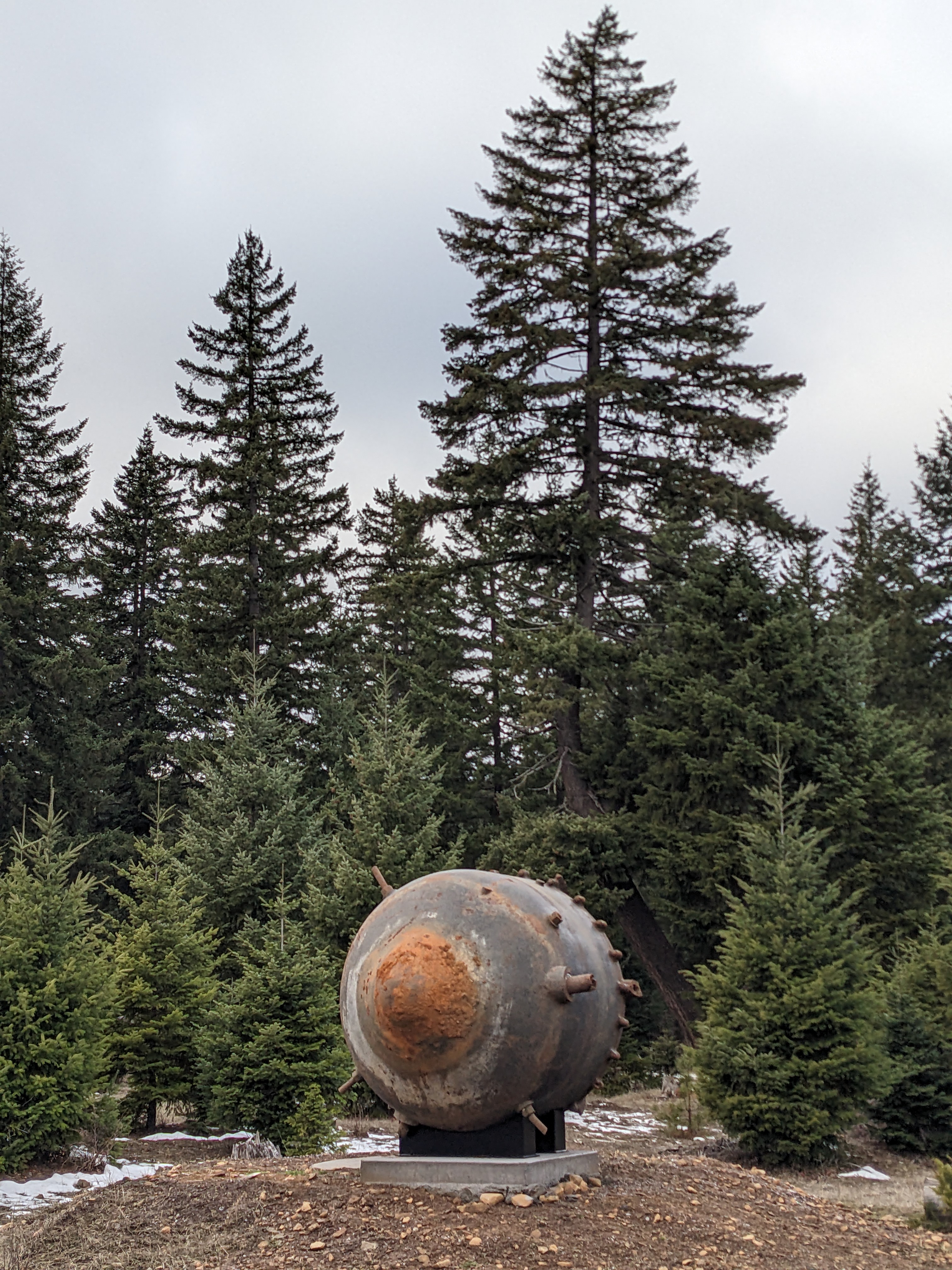
Now we have a piece of history! Hopefully no one in Oregon is too upset.

 diamondgapbuild.com